At the BRICS Summit in New Delhi, India highlighted its culinary heritage through meals featuring millets, regional spices, and global influences. From Bajra, Ragi, and Rajma-based dishes to international adaptations like braised eggplant with miso, the menu emphasized traditional flavors while accommodating diverse dietary preferences, reflecting India’s effort to promote ‘Shri Anna’ and regional snacks as part of its cultural diplomacy.
New Delhi, September 12
World leaders gathered in New Delhi to discuss trade, security and the changing global order. Away from the formal sessions, India told another story through the food served to them.
Bajra, ragi, rajma and regional spices found a place in meals prepared for leaders and delegates attending the 18th BRICS Summit. Sources said the menus were planned to showcase India’s culinary diversity while taking care of the dietary preferences of foreign guests. Millets remained at the centre of the spread. Ragi dosa, bajra upma and millet pongal were among the breakfast choices. Seasonal fruits, coconut water and fresh buttermilk provided lighter options.
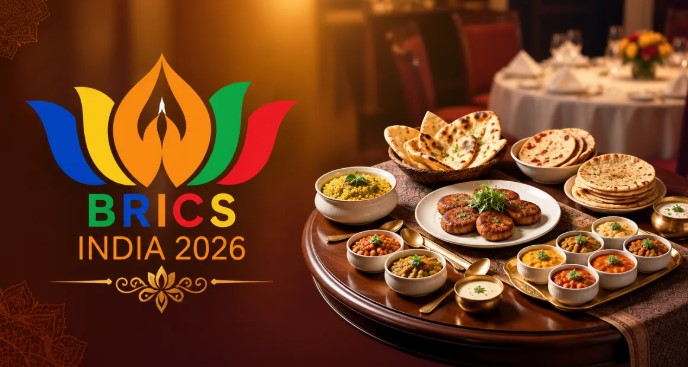
Bajra, jowar and ragi have been part of Indian kitchens for generations. Their appearance at the BRICS table reflected India’s campaign to bring these traditional grains back into everyday diets under the name Shri Anna. From there, the menu travelled across the country.
Sources said the spread included Kashmiri pulao, Hyderabadi biryani, South Indian stew and Gujarati and Rajasthani dishes. Lucknowi kebabs, tandoori breads and slow-cooked Indian gravies brought the familiar flavours of northern India. Rajma also found a place, but with an international twist. Global influences were also visible in the menu, with dishes such as braised eggplant with miso paste and simmered Chinese cabbage. The food was not limited to rich or heavily spiced dishes. Live cooking counters offered customised meals. Low-oil, mildly spiced and continental choices were also available for guests with specific dietary needs.
Delhi’s leading hotels added their own touches to the welcome. At one hotel, chefs created an edible lotus using rose, saffron and cardamom. The lotus is India’s national flower and is also part of the BRICS India 2026 identity. Another hotel drew inspiration from Indian home kitchens. Its “Tradition to Table” selection featured recipes connected with the childhood food memories of its chefs. The regional snacks offered a culinary tour of their own. These included spiced walnuts from Kashmir, bhakarwadi from Maharashtra, mini kachori from Rajasthan, kucho nimki from Bengal and murukku from Tamil Nadu.
Sources said chefs worked to preserve the character of Indian food while making it suitable for an international gathering. Fresh ingredients, food safety and the preferences of individual delegations remained important parts of the preparation. The dining arrangements offered a lighter side to summit diplomacy. While discussions at Bharat Mandapam centred on wars, trade and global governance, the menu carried the flavours of Indian homes and regions.
No single dish could represent a country as varied as India. The BRICS table therefore brought together grains from its farms, spices from its kitchens and recipes passed down through generations. For the visiting leaders, it offered a brief taste of India without leaving New Delhi.