Madhya Pradesh recently expanded its UNESCO Tentative List with Bagh Cave Paintings, Ginnorgarh Fort, Bateshwar-Padavali-Kakarmath temple cluster, and Udaigiri Caves, adding diverse historical periods—1,500-year-old Buddhist murals, Gond governance, medieval temples, and Gupta-era stone art.
Bhopal, September 30, 2026
Madhya Pradesh has added four more chapters of its history to India’s UNESCO Tentative List. Bagh Cave Paintings, Ginnorgarh Fort, the Bateshwar-Padavali-Kakarmath temple group of the Chambal Valley and Udaigiri Caves have joined the list of properties India may consider for future nomination to the UNESCO World Heritage List.
UNESCO records show that all four properties were submitted by India on July 8, 2026. India now has 78 properties on its Tentative List. A place must first be on this list before it can be considered for nomination to the World Heritage List.
The latest additions are important for Madhya Pradesh not merely because of their number. Together, they open four very different windows into central India’s past. There are Buddhist murals created more than 1,500 years ago, a Gond capital hidden in the forests, an extraordinary concentration of early medieval temples in Chambal and a Gupta-period sacred landscape that marks an important stage in the development of Hindu religious art and architecture.
The four additions also widen Madhya Pradesh’s presence on India’s Tentative List. The state already has sites and serial properties representing Mandu, Orchha, Gwalior Fort, Gond heritage, rock art, ancient temples, historic water systems and natural landscapes.
Tourism Secretary and Madhya Pradesh Tourism Board Managing Director Dr Ilaiyaraaja T described the latest inclusion as recognition of the state’s cultural and archaeological heritage. He said greater international visibility could also help introduce Madhya Pradesh’s history and culture to visitors from around the world.
On the banks of the Baghni river in Dhar district stand nine Buddhist rock-cut caves dating broadly from the fourth to sixth centuries CE. Their greatest treasure lies on their walls.
The Bagh murals, particularly those associated with Cave 4 or Rang Mahal, preserve scenes of royal courts, processions, dancers, musicians and social life. UNESCO notes their artistic links with the Ajanta tradition while recognising Bagh’s distinct regional character. The caves were not simply a religious retreat. Inscriptions also point to the area's political and administrative importance during the Gupta period.
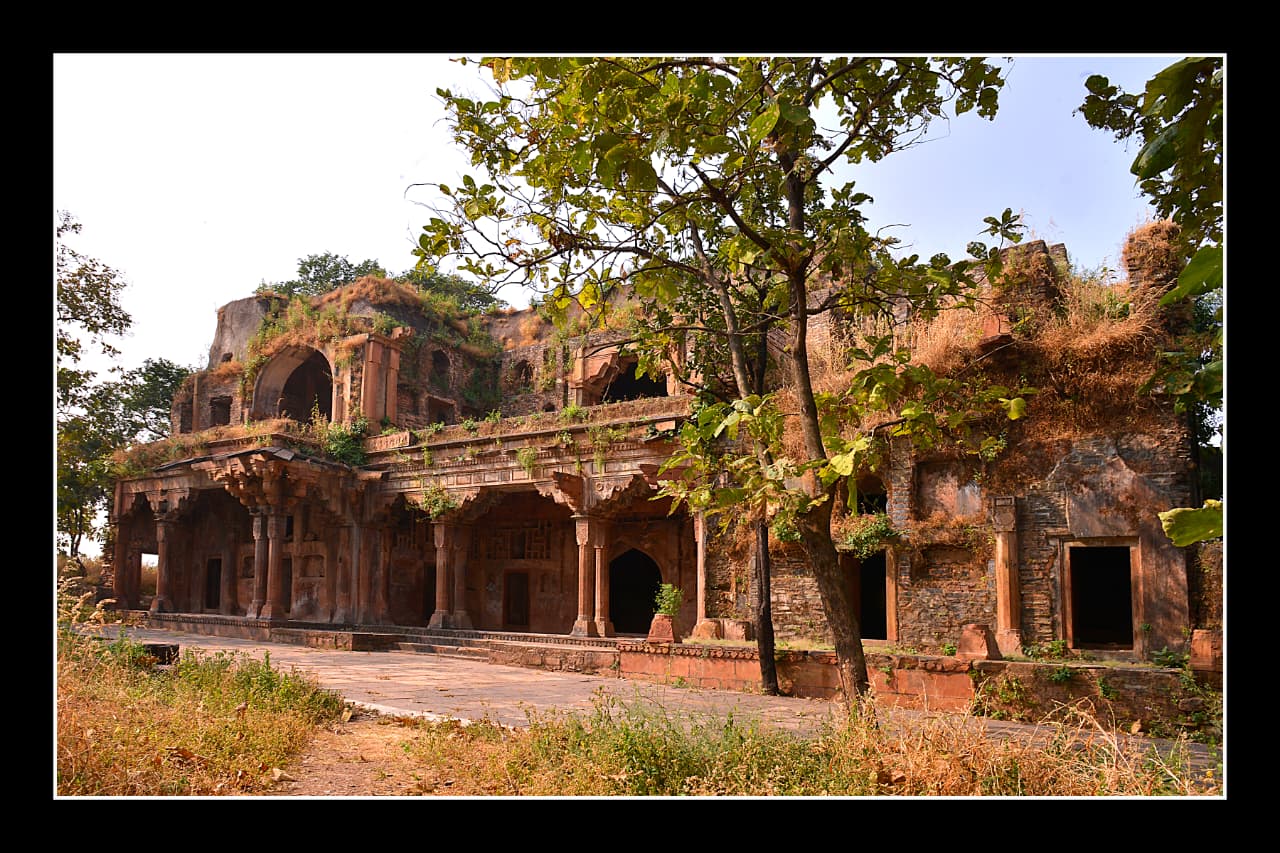
Ginnorgarh presents a completely different landscape. Standing on a forested hill in the Ratapani Wildlife Sanctuary area, the fort developed as an important political and administrative centre of the Gond kingdom. Its builders used steep slopes, ravines and dense forests as natural defences and combined them with fortifications, palaces and an elaborate water system.
UNESCO records describe a three-part arrangement within the fort and a water network that historically included 65 stepwells and four lakes. Ginnorgarh therefore tells more than the story of a fort. It offers a glimpse into Gond governance, military planning, architecture and the ability of a forest kingdom to manage water and sustain a fortified settlement.
Chambal beyond its ravines. The third entry takes the heritage journey north to Morena. Bateshwar, Padavali and Kakarmath together represent the development of early medieval temple architecture in the Chambal region. Dating mainly between the eighth and eleventh centuries, the group traces changes in temple design, sculpture and regional craftsmanship. Bateshwar is particularly remarkable for its large concentration of temples. Padavali brings richly carved architectural elements, while Kakarmath adds a monumental presence to the group. Together, they reveal another face of Chambal-one shaped not only by its dramatic landscape, but also by centuries of temple building and artistic activity.
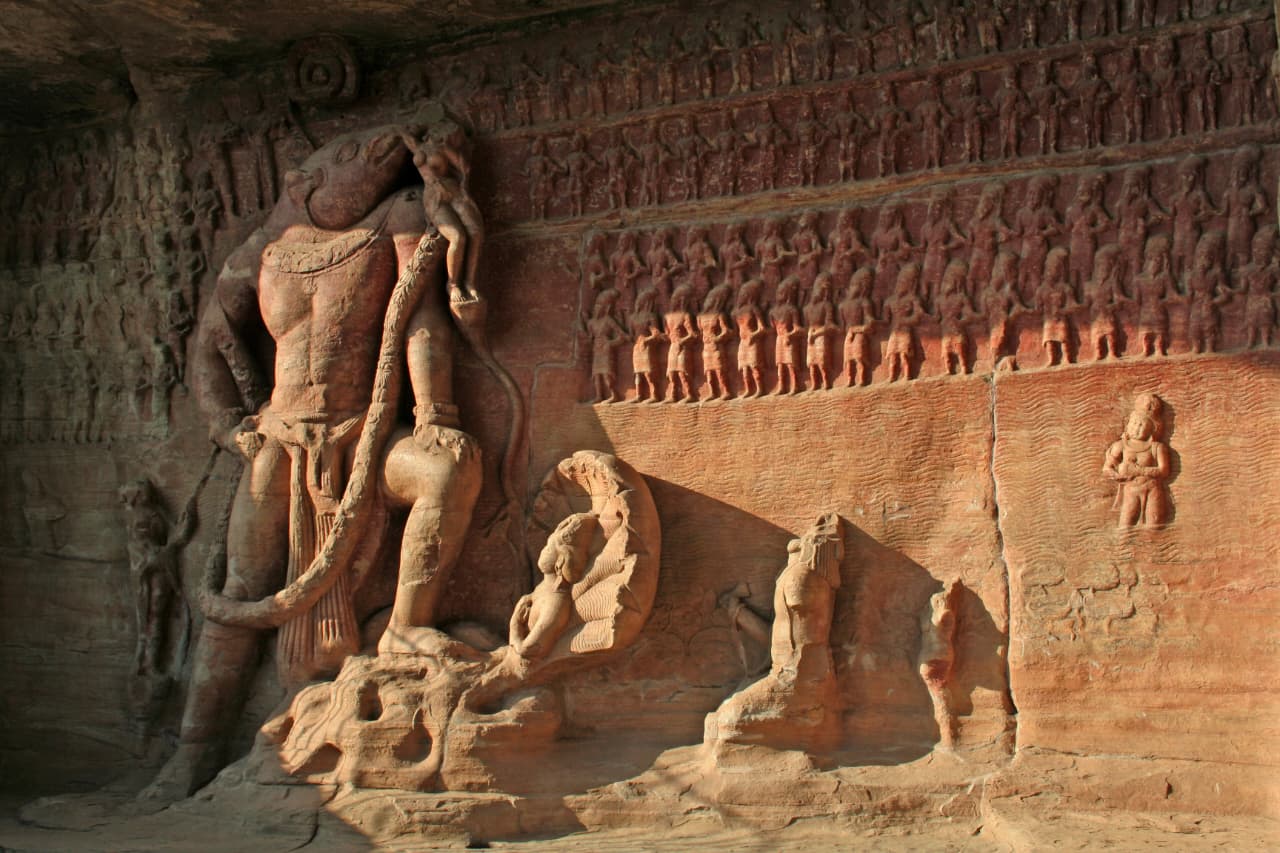
Udaigiri and an early sacred landscape. Near Vidisha, Udaigiri takes the story back to the Gupta age. Its 20 excavated caves, sculptures, inscriptions and pathways form what UNESCO describes as an integrated ritual landscape developed primarily under Gupta patronage in the late fourth and early fifth centuries. The best-known image here is the monumental Varaha relief in Cave 5, showing Vishnu in his boar incarnation. The site also contains Shaiva and Jain elements. Udaigiri is especially important because it captures a formative period in Indian religious architecture. Rock-cut shrines, monumental sculpture and the natural hill were being brought together before the great structural temple traditions of later centuries had fully developed.
Madhya Pradesh already has a long presence on this list. Mandu was included in 1998, Orchha in 2019, Bhedaghat-Lametaghat and Satpura Tiger Reserve in 2021. Gwalior Fort, Khooni Bhandara, Chambal's rock-art sites, Bhojeshwar Mahadev Temple, the Gond monuments of Ramnagar and Dhamnar followed in 2024. Several serial heritage proposals involving Madhya Pradesh were added in 2025.
According to the state government, the Madhya Pradesh Tourism Board proposed the latest properties for consideration, while the Archaeological Survey of India took the process forward at the national level.
The four new entries now bring some less familiar parts of Madhya Pradesh’s past into sharper focus. Bagh speaks through paintings, Ginnorgarh through the remains of a forest kingdom, Chambal through its temples and Udaigiri through stone carved at a formative moment in Indian religious history.
The UNESCO Tentative List gives these places wider visibility. Their journey from here will depend on detailed documentation, conservation and the case eventually made for their outstanding heritage value.