Rajababu Singh, senior IPS officer, suggests transforming barren hills around Gwalior into thriving green forests to combat environmental issues.
Bhopal June 7, 2026
At a time when cities across India are struggling with rising temperatures, shrinking green cover and increasing environmental stress, a powerful idea has emerged from Gwalior that seeks to combine development with conservation. The proposal comes from senior IPS officer, ADG Police and de-facto chairman of Jiwaji club, Rajababu Singh, currently posted in Bhopal. In a recent message to club president Raju Seth and other office-bearers, Singh urged the institution to take up a mission that could reshape Gwalior's ecological landscape for generations. Adopt a barren government-owned hill, restore its ecological character and develop it as a landmark green zone under the banner of "Jiwaji Club Pahadi."
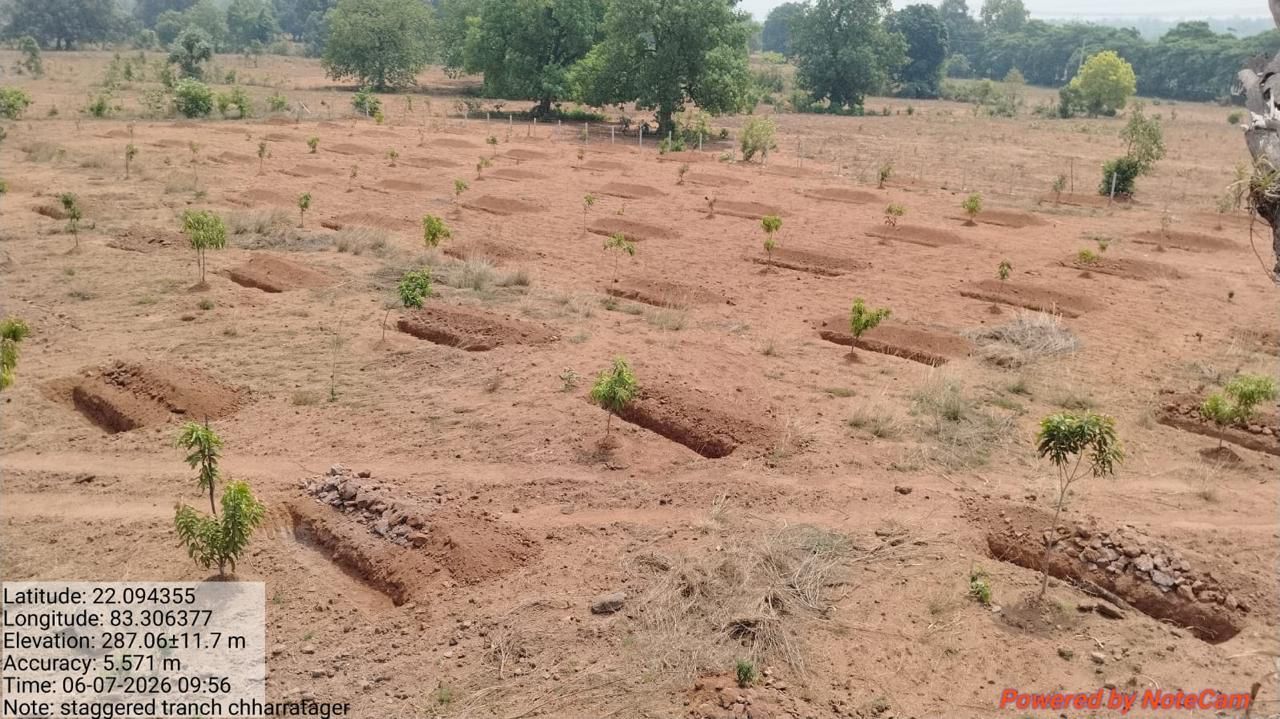
Singh believes an institution with the heritage, credibility and social influence of Jiwaji Club should lead by example. He argued that a lifeless rocky hill can be brought back to life through scientific plantation, water conservation and sustained community participation. If successful, the initiative could become a model for ecological restoration and inspire other clubs, institutions and citizen groups to participate in rebuilding nature alongside development.
To turn the vision into reality, Singh asked the club office bearers to approach the district administration, forest department and other government agencies to identify barren, rocky and arid hilltops in and around Gwalior. His objective is to transform these neglected landscapes into thriving green forests capable of supporting biodiversity, conserving water and improving the region's environmental health. The proposal is not merely about planting trees. It is about restoring ecosystems. It is about reclaiming degraded land and converting it into a lasting natural asset for future generations.
What makes the idea particularly significant is that Singh speaks from experience rather than theory. During his tenure as chief of police training institution, he played a key role in transforming large stretches of barren land near the Tighra Dam reservoir into green and ecologically vibrant zone in Gwalior. Through plantation drives, water harvesting measures and careful land management, the once-degraded terrain gradually evolved into a flourishing green landscape. A similar model was later implemented in Sagar district, where environmental restoration initiatives received sustained attention and delivered encouraging results. These projects demonstrated how community participation and long-term commitment can successfully revive degraded ecosystems.
His latest proposal seeks to replicate that success on a larger scale. The timing is significant. Across the world, governments and communities are investing in landscape restoration to address climate change, groundwater depletion and biodiversity loss. Experts believe afforestation of wastelands and hillocks can reduce soil erosion, recharge groundwater, support wildlife habitats and create natural carbon sinks.
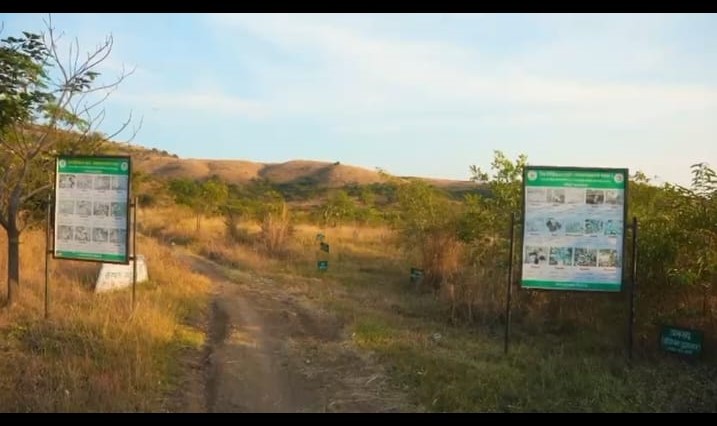
For Gwalior, surrounded by rocky terrain and expanding urban settlements, the benefits could be transformative. Green hilltops can serve as natural lungs for the city, moderate local temperatures and strengthen environmental resilience. If Jiwaji Club, government agencies and citizens come together behind the idea, Gwalior could witness one of its most meaningful environmental movements in recent years. Today, those hills may appear barren and forgotten. Tomorrow, they could stand as living symbols of conservation, sustainability and community-led development—proof that some of the most enduring legacies are not built with concrete, but grown from the soil itself.