Special DG Rajababu Singh has called for restoring Shipra's catchments, hills and green cover to revive its natural flow before Simhastha 2028.
Ujjain/ Bhopal, October 24, 2026
As Madhya Pradesh prepares for Simhastha 2028 in Ujjain, a larger question is emerging beyond the arrangements for millions of pilgrims. Can the sacred Shipra river, which holds a central place in the religious gathering, regain its natural flow and become a perennial river once again?
Special Director General of Police (SDG/ Special DG Rank) Rajababu Singh has drawn attention to this important environmental challenge. Following a visit to the river's origin at Ujjaini village near Indore, he called for restoring the natural catchment areas, protecting the surrounding hills and expanding green cover along the river.
His observations have brought a fresh perspective to the preparations for Simhastha 2028. While infrastructure, transport, sanitation and crowd management remain essential, the long-term health of the Shipra is equally important. Singh believes that bringing additional water into the Shipra is only a temporary solution. The real need is to restore its natural water sources and surrounding green cover so that the river can flow throughout the year.
The Shipra originates in the hills near Ujjaini village in the Indore region. The place holds deep religious significance because the river flows through Ujjain, where devotees offer prayers at the famous Mahakaleshwar Jyotirlinga temple. During his visit, Singh explained the spiritual and ecological importance of the site. He described Shipra as a sacred river whose water has traditionally been associated with the worship and Abhishek of Lord Mahakal.
At the origin site of the Shipra river, idols of Maa Shipra and Maa Narmada reflect the spiritual significance of the two sacred rivers. Maa Shipra is depicted seated on a tortoise, while Maa Narmada, which originates from Amarkantak in Madhya Pradesh, is shown seated on a crocodile.A hill nearby, accessible through approximately 180 steps, forms part of the river's source area.
Singh observed that the hill once had dense vegetation. Trees, plants and the surrounding soil helped absorb rainwater and gradually release it into the river system. Over the years, however, the loss of forest cover weakened this natural process. Explaining the relationship between forests and rivers, Singh compared the vegetation on the hill to a sponge.
During the monsoon, forest soil absorbs and retains rainwater. This water gradually enters underground formations and can support springs and streams beyond the rainy season. When trees disappear and the soil becomes degraded, rainwater tends to run off more quickly. This can reduce groundwater recharge and weaken the natural flow of rivers during summer. Singh believes restoring vegetation in the Shipra's catchment could help revive this process. Singh said the visit helped him understand the importance of the river's recharge system and the need to protect its source.
One important suggestion emerging from the visit concerns the administrative status of the hill. According to Singh, the land currently falls under the Revenue Department, although plantation work has already been undertaken there. He suggested that the Indore district administration consider transferring the land to the Forest Department.
Such a step, he believes, could provide stronger protection to the existing vegetation and create opportunities for further plantation. The proposal also raises a wider issue about protecting the catchment areas of rivers. Without long-term protection, plantation efforts alone may not be sufficient to restore a degraded landscape.
The question of maintaining adequate water in the Shipra has remained important for Ujjain, particularly during major religious gatherings. Madhya Pradesh has already undertaken the Narmada-Shipra Link Project to supplement the river's flow by transferring water from the Narmada system. This arrangement has helped address water availability, especially during periods when the Shipra's natural flow is inadequate.
However, Singh believes that depending on transferred water cannot replace the need to revive the river's own catchment. His central argument is simple: a river should be sustained by its natural water sources as far as possible. Restoring forests, improving groundwater recharge and protecting feeder streams could help strengthen the Shipra's flow over time.
The forthcoming Simhastha Kumbh in Ujjain has added urgency to discussions about the Shipra's future. Held once every 12 years, Simhastha attracts large numbers of pilgrims, saints and devotees who gather for the sacred bath in the river. The previous Simhastha was organised in 2016. The next gathering is scheduled for 2028.
The state government, led by Chief Minister Dr Mohan Yadav, has been focusing on infrastructure development and preparations for the religious congregation. Road connectivity, transport, accommodation, sanitation, drinking water and public safety are among the major requirements for managing such a large gathering.
However, the condition of the Shipra remains central to the entire event. A cleaner river with adequate water is essential not only for religious bathing but also for public health and environmental protection.
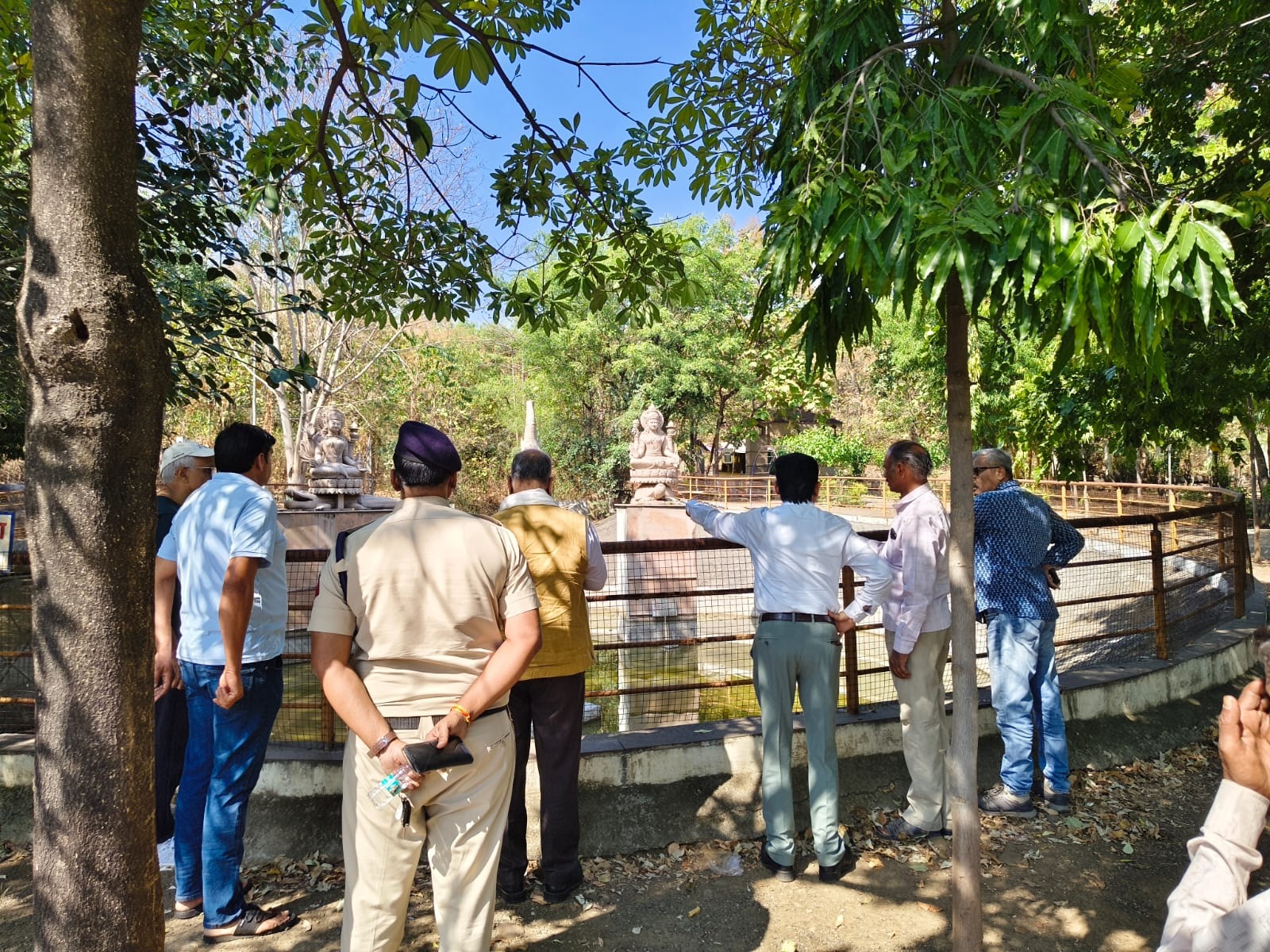
During his visit, Singh also explained how the Shipra forms part of a much larger river network. The Shipra flows for approximately 214 kilometres before joining the Chambal river system. The Chambal eventually joins the Yamuna near Etawah in Uttar Pradesh, while the Yamuna meets the Ganga at Prayagraj. This makes the Shipra part of the larger Ganga river basin.
Singh emphasised that protecting the river requires attention not only to its source but also to the landscape along its course. He suggested extensive plantation on both sides of the river, covering stretches of one to five kilometres wherever feasible. He also called for addressing encroachments that affect the river and its natural surroundings.
As Ujjain prepares for Simhastha 2028, Singh's appeal highlights the need to restore the Shipra's natural water sources through plantation, conservation and public participation. The larger goal is to make Maa Shipra Sada Neera once again, a river that flows throughout the year, preserving Ujjain's spiritual heritage for generations to come.