Student protests in India highlight demands for fair competitive exams but are marred by concerns over methods overshadowing the message.
New Delhi/ Bhopal July 24, 2026
The anger of students deserves to be heard. Their concerns over the credibility of competitive examinations cannot be dismissed. But an equally important question also deserves attention: what shape should that anger take, and where should society draw the line between democratic protest and public disorder?
The recent demonstrations over alleged irregularities in competitive examinations have once again brought students to the centre of national debate. Every young aspirant has the right to demand a transparent and fair examination system. Years of hard work, aspirations and family expectations are attached to these examinations. If that trust is shaken, frustration is only natural.
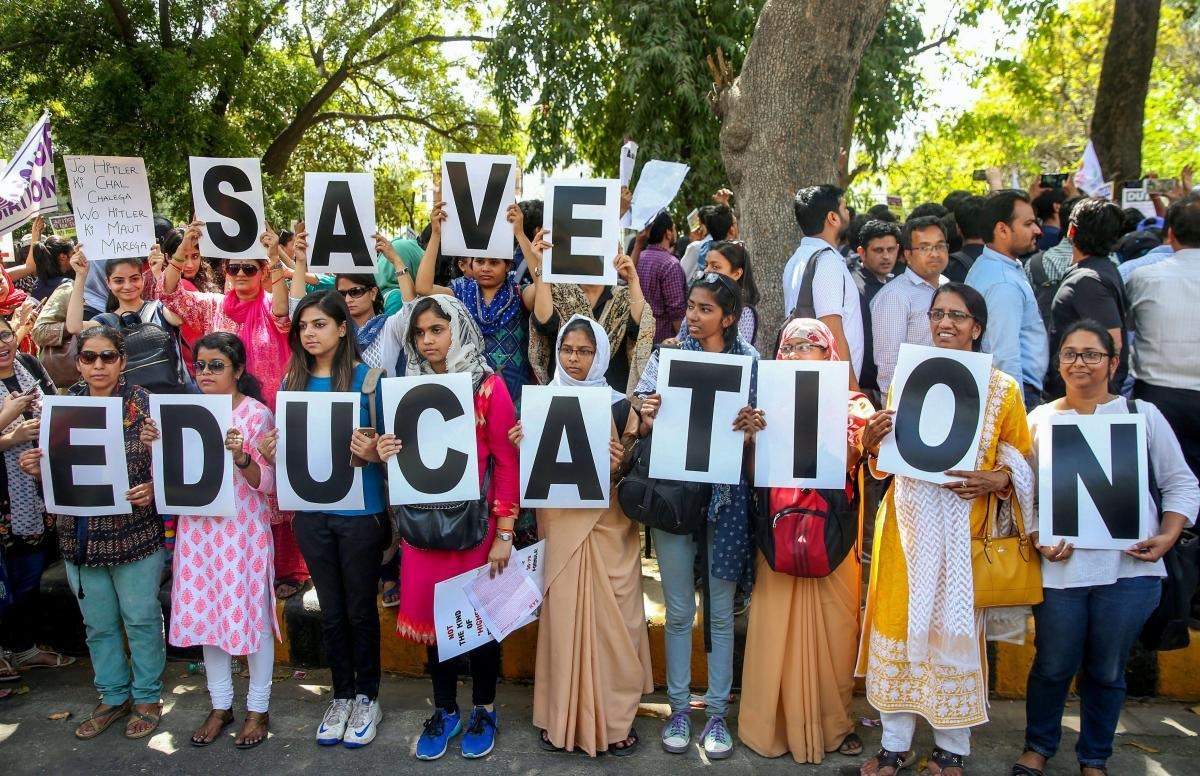
Yet, as the protests continue, another picture has begun to emerge. The language heard from some sections of the demonstrations, the slogans, abusive expressions and personal attacks have raised concerns that go beyond the issue of examination reforms. A movement that begins with a legitimate cause risks losing public sympathy if its methods overshadow its message.
India has a long tradition of student participation in public life. Universities have often been the training ground for future political leaders, social reformers and parliamentarians. From the JP Movement to several democratic campaigns, student participation has enriched public discourse. Those movements are remembered not merely for the issues they raised but also for the discipline and sense of purpose they displayed.
The present agitation should ideally strengthen that tradition rather than weaken it.
It is also important to distinguish between genuine students and those who may seek to exploit public movements for entirely different objectives. According to reports, investigating agencies are examining whether anti-social elements attempted to infiltrate sections of the protest and provoke violence. If such attempts are established, they should be viewed separately from the peaceful aspirations of thousands of students who simply want a credible examination system.
History offers several examples where legitimate public movements were gradually overshadowed by fringe elements. Once violence, abusive language or destruction of public property enters a protest, the original issue often recedes into the background. Public
attention shifts from the grievance to the methods adopted by a few participants. That ultimately weakens the very cause the protesters seek to advance.
The concern is not limited to slogans alone. The larger question is about the values that educational institutions seek to nurture. Competitive examinations are not merely gateways to careers; they are also part of a larger educational journey that is expected to encourage discipline, mutual respect and responsible citizenship. Public discourse, especially among young people, should reflect those values even in moments of disagreement.
Equally, those in positions of influence-teachers, public intellectuals, political leaders and civil society organisations, carry a responsibility to encourage peaceful democratic engagement rather than deepen social divisions. Public movements require guidance as much as they require energy. The quality of leadership often determines whether a protest results in constructive reform or prolonged confrontation.
None of this diminishes the importance of addressing genuine concerns over examination irregularities. The credibility of India's competitive examination system must remain beyond question. Institutional reforms, stronger safeguards, swift investigation and timely justice are essential if public confidence is to be restored. Students deserve nothing less.
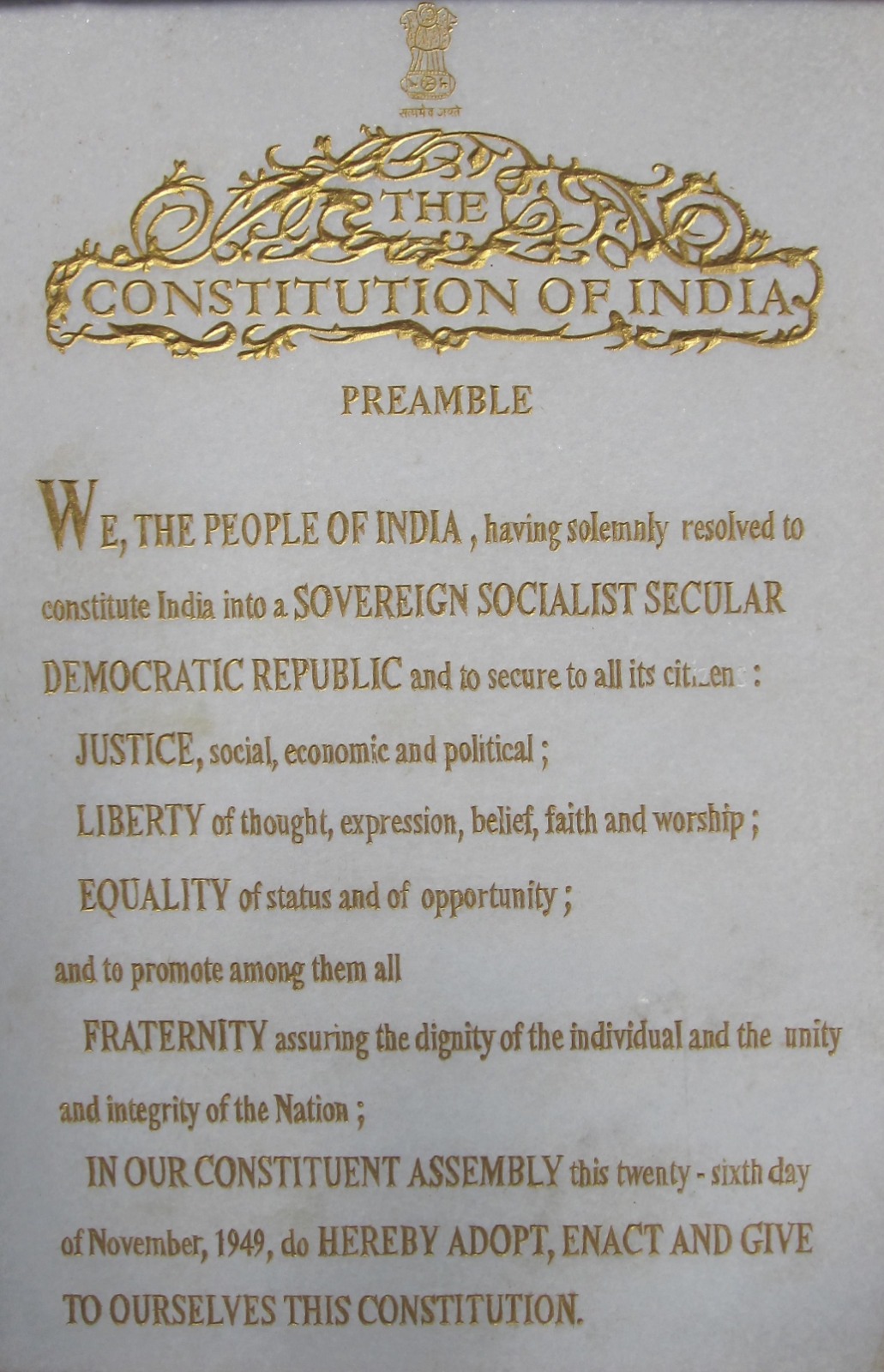
But democracy asks something of citizens as well. It allows dissent, protects peaceful protest and encourages debate. At the same time, it expects those exercising these rights to do so with responsibility and respect for others.
The debate, therefore, is no longer only about examination reforms. It is also about preserving the dignity of public discourse. A movement rooted in fairness should itself reflect the values of fairness, restraint and constitutional conduct.
Students have every right to demand justice. Society, in turn, has every right to expect that this demand is expressed in a manner that strengthens democratic traditions rather than weakens them.