Madhya Pradesh has approved a draft for a Uniform Civil Code, aiming to standardize laws on marriage, divorce, and inheritance, while exempting Scheduled Tribes.
Jagdishpur/ Bhopal July 19, 2026
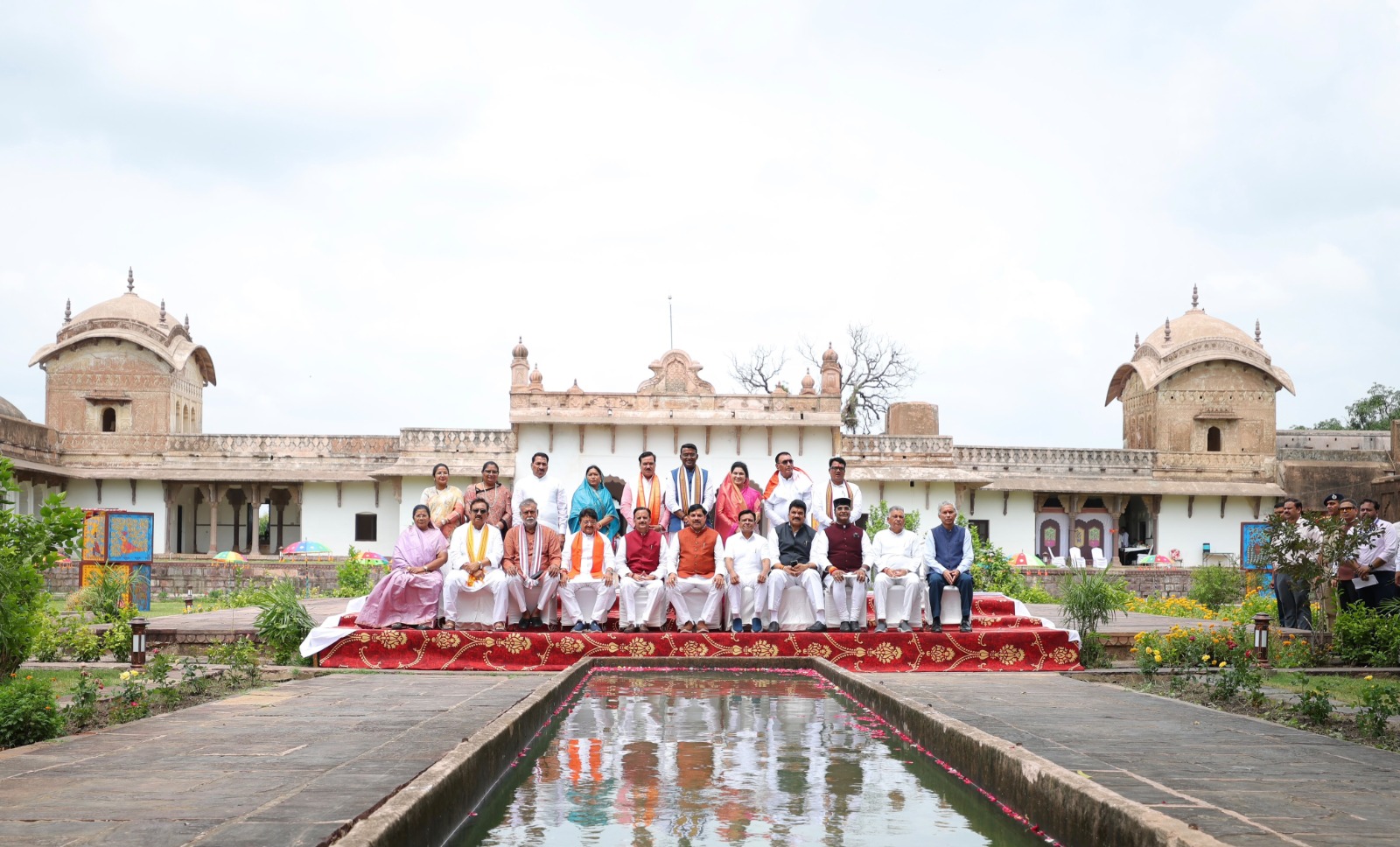
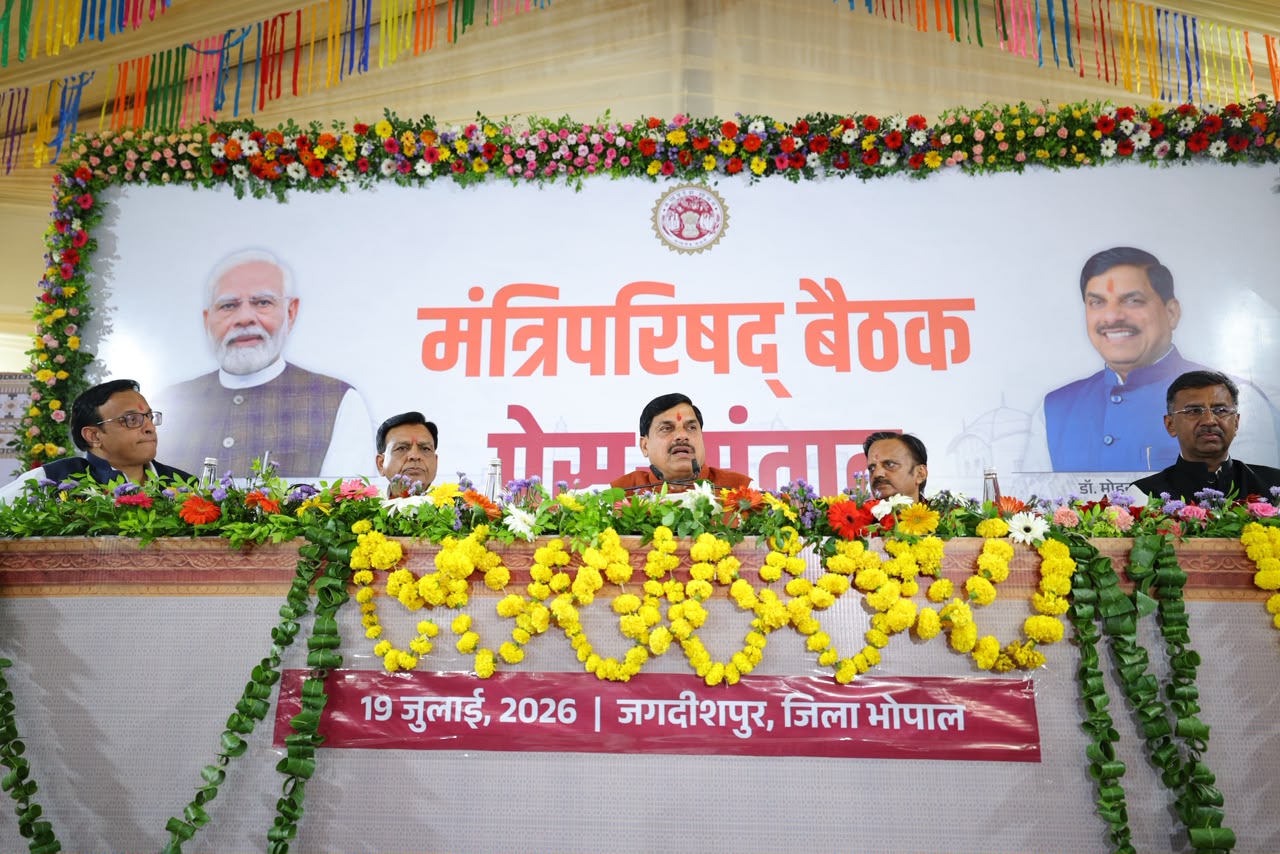
The Madhya Pradesh Cabinet on Sunday approved the draft of the Madhya Pradesh Uniform Civil Code, 2026, making the state the latest to move towards a common legal framework governing marriage, divorce, inheritance, maintenance and live-in relationships. Cleared during the Cabinet meeting at Jagdishpur, the proposed law places Madhya Pradesh alongside Uttarakhand, Gujarat and Assam, which have already initiated similar reforms.
The decision is significant not merely because it fulfils a long-standing political commitment of the BJP, but because it seeks to replace multiple personal civil laws with a common legal framework while simultaneously recognising the constitutional protections available to Scheduled Tribes. The proposed Code will now move through the legislative process before becoming law.
Chief Minister Dr Mohan Yadav described the proposed legislation as a step towards fulfilling the constitutional vision of equality, justice and secularism reflected in Article 44, one of the Directive Principles of State Policy. He said the Code aims to establish a uniform civil framework for residents irrespective of religion in matters relating to marriage, divorce, maintenance, succession and live-in relationships while protecting religious customs and ceremonies that do not conflict with public policy and morality.
Perhaps the most notable feature of the proposed legislation is what it does not cover. The Code will not apply to Scheduled Tribes notified under Articles 342 and 366(25) of the Constitution, including communities such as the Bhil, Gond, Baiga, Korku, Saharia and Bharia. The exemption recognises constitutional safeguards available to tribal communities and preserves their traditional customs and practices.
The draft also introduces sweeping changes in family law. It makes monogamy compulsory across communities and declares practices such as instant triple talaq and any extra-legal or oral divorce invalid. Divorce will be recognised only through legally prescribed procedures. The proposal also criminalises compelling or promoting nikah halala as a condition for remarriage after divorce, treating such acts as punishable offences.
Marriage registration will become mandatory, although failure to register will not invalidate a marriage. Registrations will be carried out through the MP e-Nagar Palika portal in urban areas and through designated authorities in rural regions. The Code also gives women additional legal protection by allowing them to seek annulment if it is established that the husband had concealed another pregnancy at the time of marriage.
The proposed legislation also attempts to modernise the legal status of children. It removes the term "illegitimate" from the legal framework and accords equal status to children born through marriage, live-in relationships, adoption, surrogacy or assisted reproductive technologies. In custody disputes, the welfare of the child becomes the overriding consideration instead of parental claims.
Inheritance provisions have also been redesigned on gender-neutral lines. Sons and daughters will enjoy equal succession rights irrespective of marital status, while widows and widowers will receive equal treatment under the law. Both parents will be recognised as Class-I heirs.The draft also disqualifies anyone convicted of murdering a property owner from inheriting that person's estate and provides that property without legal heirs will vest in the State under the doctrine of escheat.
Among the most closely watched provisions are those relating to live-in relationships. The Code requires couples to register their relationship within one month of living together. Both partners must be adults, unmarried and in a relationship based on free consent. If either partner is below 21 years of age, parents or guardians will be informed, and the Registrar will forward the record to the local police station. Failure to register within the prescribed period may attract penalties, including imprisonment and fines.
The draft also extends legal protection to women and children in live-in relationships. Children born from such relationships will enjoy full legal status and inheritance rights. If a woman is deserted by her partner, she will be entitled to seek maintenance through the courts in the same manner as a legally married wife.
Politically, the approval reinforces the BJP government's commitment to implementing a Uniform Civil Code, an issue that has remained part of its broader governance agenda for years. Legally, however, the proposal also reflects an attempt to balance uniform civil principles with constitutional realities by excluding Scheduled Tribes, whose customary practices enjoy special protection under the Constitution.
The proposed law is also notable for drawing upon the experience of Uttarakhand, which became the first state to implement a Uniform Civil Code after Independence, as well as legislative models adopted by Gujarat and Assam. Those experiences are likely to be closely watched as Madhya Pradesh prepares for implementation.
Whether the proposed Code ultimately achieves its stated objective of ensuring greater legal uniformity will become clear only after its implementation and judicial interpretation. For now, Sunday's Cabinet decision marks one of the most significant legal reforms undertaken by the state in recent years. It also signals that the national debate over a Uniform Civil Code is steadily moving from constitutional principle to legislative reality at the state level.