Madhya Pradesh Cabinet meets at historical sites to connect governance with state's cultural legacy, moving beyond traditional government buildings.
Bhopal July 18, 2026
On Sunday, the Madhya Pradesh Cabinet will gather not inside the familiar corridors of Vallabh Bhawan but amid the centuries-old palaces of Jagdishpur, a heritage village on the outskirts of Bhopal better known today as Islamnagar. The meeting is another step in Chief Minister Dr Mohan Yadav's "Destination Cabinet" initiative, an experiment that is gradually changing not only where governments meet but also how citizens connect with the state's history and cultural legacy.
For decades, cabinet meetings in most states have remained confined to the state capital. Important policy decisions affecting millions were almost always taken from government secretariats. Madhya Pradesh has attempted to break that convention by moving the cabinet to different regions of the state. The idea is simple. Governance should travel to the people, and in the process, forgotten places should return to public memory.
During the last two-and-a-half years, besides regular meetings in Bhopal, the state Cabinet has assembled seven times at locations spread across different regions. Every venue has carried a historical, cultural or geographical significance. The latest meeting at Jagdishpur continues that approach while drawing fresh attention to one of central India's lesser-known heritage sites.
The journey began in Jabalpur in January 2024 with a meeting dedicated to the memory of Rani Durgavati, whose courage continues to inspire generations. It then moved to Singrampur in Damoh, another place associated with the Gond queen's valour. In January 2025, ministers met in Maheshwar, the capital of Lokmata Devi Ahilyabai Holkar, remembered for her model of good governance and public welfare. Later, the Cabinet assembled at Rajwada in Indore during Ahilyabai's 300th birth anniversary year.
The initiative then travelled to Pachmarhi, where the meeting honoured the memory of tribal ruler Raja Bhabhut Singh, followed by Khajuraho, the UNESCO World Heritage site known globally for its temple architecture. In March this year, the Cabinet met at Nagalwadi in Barwani district, a prominent tribal cultural centre dedicated to Bhilat Dev, reflecting the government's emphasis on recognising the state's tribal heritage.
Each meeting has carried its own local significance, but together they reveal a broader pattern. The Cabinet is no longer viewed merely as an administrative body meeting inside government buildings. It is also becoming a platform to showcase Madhya Pradesh's historical landmarks, tribal traditions and cultural identity. Officials believe the exercise also strengthens coordination with local administrations while increasing public awareness about heritage destinations that often remain outside the mainstream tourism circuit.
The choice of Jagdishpur is particularly significant because the village represents one of the most layered chapters in central India's history. Long before it came to be known as Islamnagar, Jagdishpur was ruled by the Devda Chauhan Rajputs and was known for its fortified settlement and palaces. The complex, located barely 35 kilometres from Bhopal, still preserves examples of early eighteenth-century architecture and remains protected by the Archaeological Survey of India.
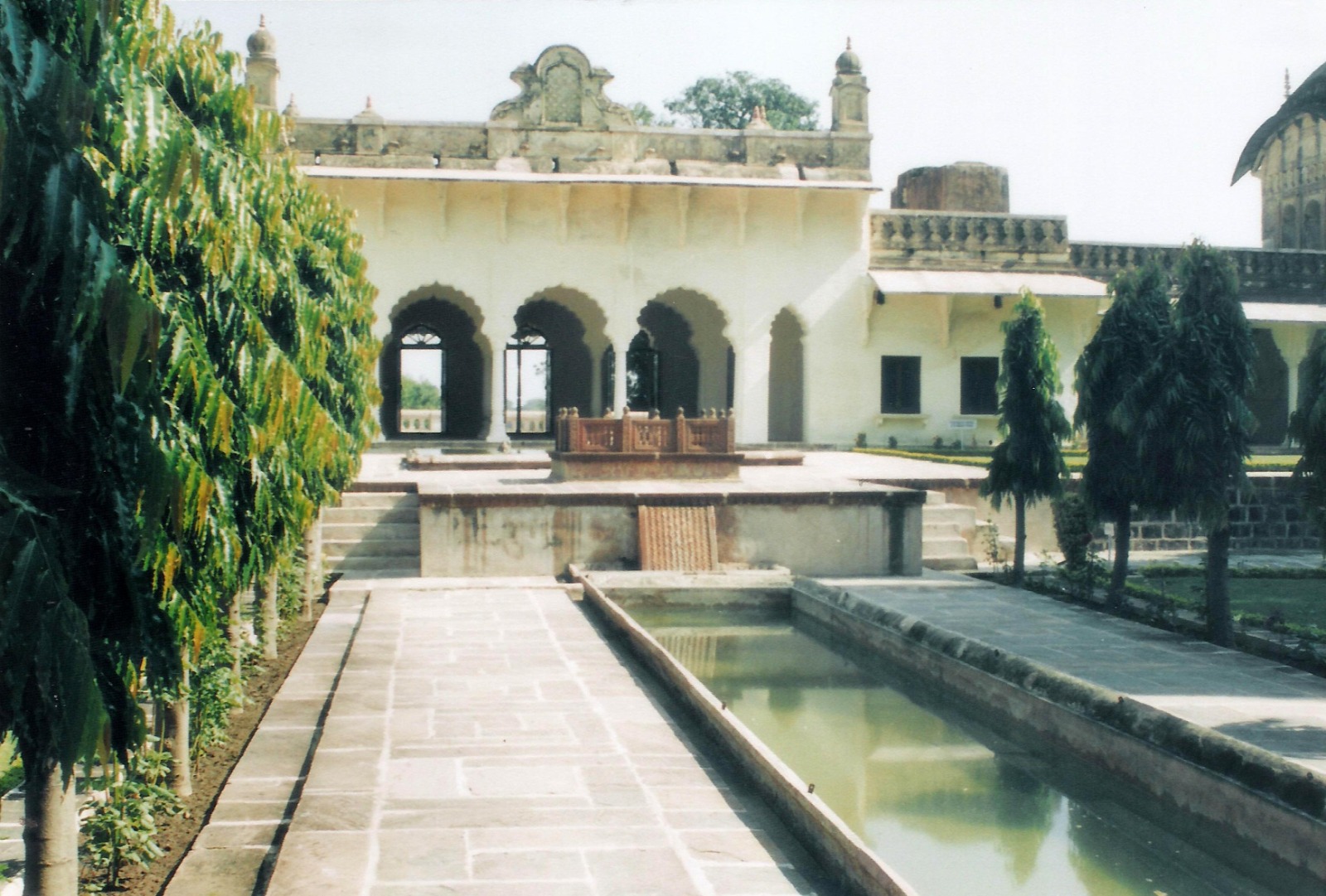
Jagdishpur is also closely associated with the rise of Dost Mohammad Khan, the Afghan soldier who laid the foundation of the erstwhile Bhopal State in the early eighteenth century. Historical accounts describe how he expanded his influence during a period of political instability in the Malwa region. Among the most debated episodes linked to his rise are the conflict with the Devda Chauhans of Jagdishpur and the events surrounding Rani Kamlapati, the Gond queen whose kingdom eventually came under his control. Historians have long described these episodes as turning points in the political history of the region, while the story of the Halali River, associated with the massacre of Rajput warriors following an alleged act of deception, continues to occupy a prominent place in local historical narratives.
Jagdishpur remained the early seat of the Bhopal rulers before the centre of power gradually shifted to the city of Bhopal under Dost Mohammad Khan's successors. Over the next two centuries, Bhopal evolved into one of India's most prominent princely states, distinguished by the remarkable rule of its Begums. The royal lineage later became linked to the Pataudi family when Nawab Hamidullah Khan's daughter, Sajida Sultan, married Nawab Iftikhar Ali Khan Pataudi. Their son, Mansoor Ali Khan Pataudi, inherited the titular legacy of the Pataudi family, while the Bhopal royal family's historical legacy continues to attract public interest through its architecture, institutions and continuing property and succession history.
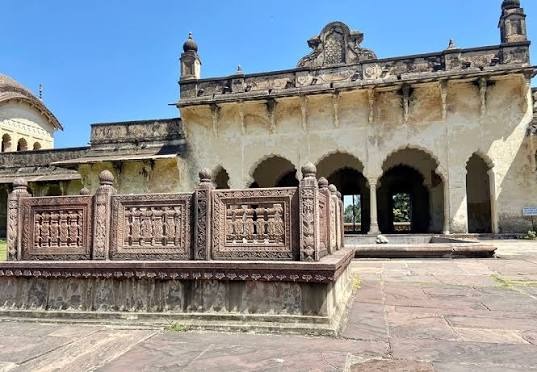
Whether viewed through the lens of political history, architecture or cultural heritage, Jagdishpur remains far more than an old fort complex. It is a reminder of the struggles, alliances and changing centres of power that shaped central India over three centuries.
The government's "Destination Cabinet" concept also has an economic dimension. Every high-level meeting brings officials, public representatives, media attention and administrative focus to places that otherwise receive limited visibility. Heritage experts believe such exposure can encourage tourism, improve infrastructure and generate greater public interest in conservation. The experience of Maheshwar, Rajwada and Khajuraho has already demonstrated how official events can draw fresh attention to destinations with immense historical value.
Chief Minister Dr Mohan Yadav has also indicated that both regular Cabinet meetings and the Agriculture Cabinet will continue to be held across different regions of the state. A future Cabinet meeting has already been proposed in Ujjain, the city of Mahakaleshwar, further extending the concept of governance beyond the state capital.
Ultimately, the success of the initiative will not be judged only by the places where ministers meet but by the quality of the decisions they take. Yet one achievement is already visible. From Rani Durgavati's Singrampur to Ahilyabai's Maheshwar, from the temples of Khajuraho to the palaces of Jagdishpur, the Cabinet is helping bring many of Madhya Pradesh's forgotten landmarks back into public conversation. If governance can also inspire citizens to rediscover their own history, the "Destination Cabinet" may become more than an administrative innovation. It could emerge as a model for preserving heritage while taking government closer to the people.