Madhya Pradesh government's first advisory board meeting for disability inclusion emphasizes empowerment and accessibility, proposing significant policy changes.
In a significant step towards building a more inclusive and compassionate society, the Madhya Pradesh government convened the first meeting of the State-Level Advisory Board for Persons with Disabilities. Beyond policy discussions and administrative decisions, the meeting carried a deeper message — that empowerment is not just about schemes, but about restoring dignity, access, and opportunity to every individual. Chaired by Social Justice and Disabled Welfare Minister Narayan Singh Kushwah, the meeting reflected a growing commitment to bring persons with disabilities into the mainstream of society. “Inclusion is not optional; it is our responsibility,” Kushwah emphasized, underlining that coordination among departments is key to ensuring meaningful change on the ground.
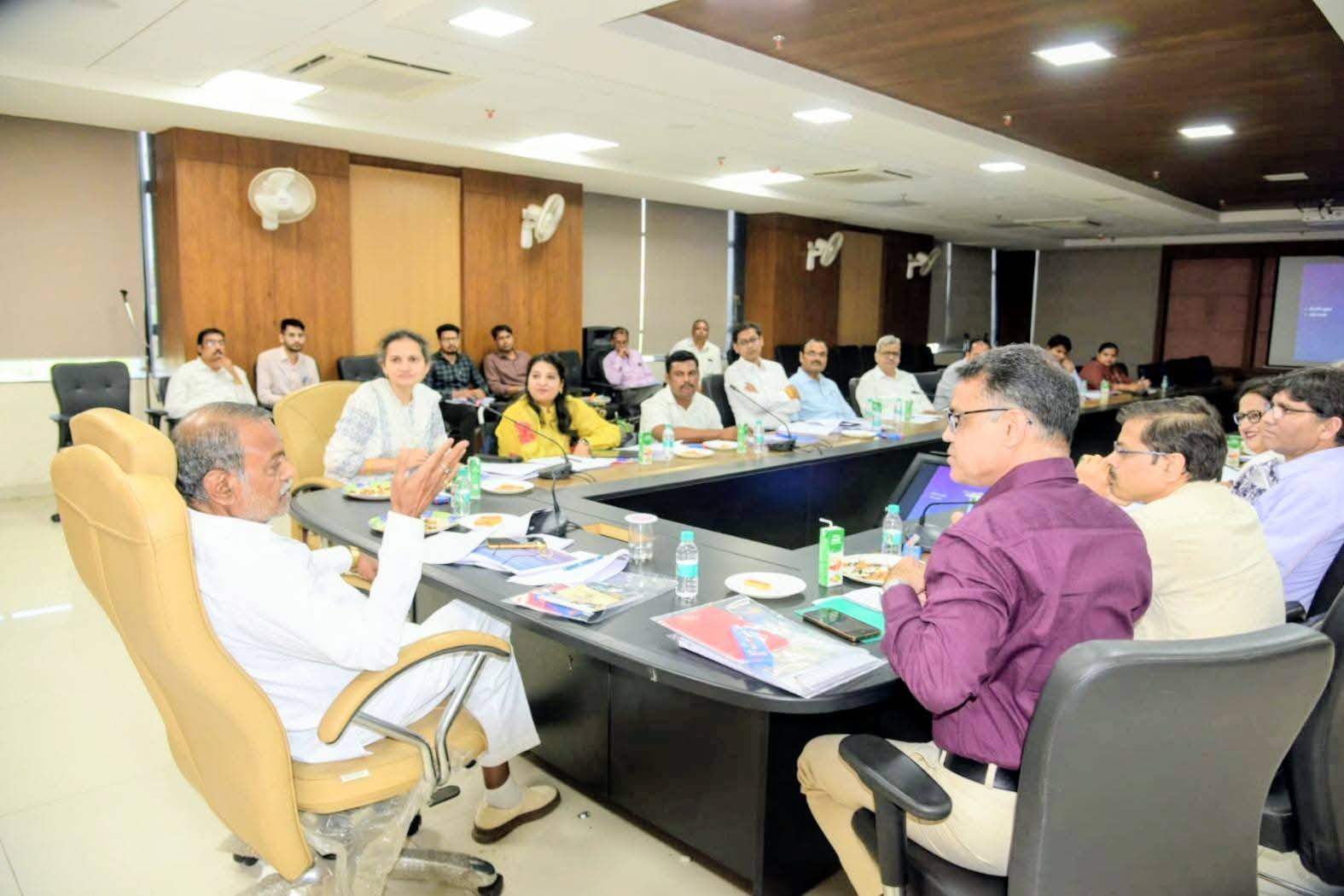
The meeting was held at the Directorate of Social Justice and Disabled Empowerment in Bhopal on Monday, saw participation from senior officials, experts, and representatives from across districts — many of whom have been working closely with disabled communities. Their presence ensured that the voices shaping policy were grounded in real-life experiences. What stood out during the discussions was the shift in approach — from welfare to empowerment. For many persons with disabilities, challenges go far beyond physical limitations. They face barriers in education, employment, healthcare, and even basic mobility. Recognizing this, the board proposed several measures aimed at removing these barriers. One of the key proposals was the creation of a special assistance fund for disabled athletes participating in national and international competitions. This move is expected to encourage hidden talent from rural and underprivileged backgrounds — individuals who often lack the financial support to pursue their dreams. The idea of setting up a State Disability Sports Authority also reflects a vision where talent is nurtured, not overlooked.
Equally important were discussions around accessibility and identity. The board suggested linking the UDID (Unique Disability ID) card with Ayushman health cards, making healthcare access smoother and more inclusive. For families who struggle with repeated documentation and long procedures, this could be a life-changing reform. The decision to establish a ‘single window system’ in every district promises to simplify access to services. For many disabled individuals, visiting multiple offices for different needs can be exhausting and discouraging. A centralized system could not only save time but also restore a sense of independence.
The meeting also addressed the often-overlooked emotional and legal challenges faced by families, particularly those caring for individuals with intellectual disabilities. Simplifying the process of legal guardianship certification is expected to ease their burden, offering both security and clarity. In a move that touches the core of social empowerment, the government also discussed expanding self-employment opportunities through financial support via national agencies. Ensuring reserved shops and business spaces at district headquarters could open doors for economic independence — a crucial factor in building self-confidence and social respect.
Accessibility of public spaces was another major focus. Proposals for conducting access audits and forming social audit teams aim to ensure that public buildings, parks, and sports facilities are truly inclusive. Plans to develop water sports facilities for disabled individuals, including at Bhopal’s Water Sports Park, highlight an effort to move beyond basic inclusion toward equal participation in recreation and life experiences. Perhaps the most powerful takeaway from the meeting was the intent to humanize governance. The discussions were not limited to infrastructure or schemes; they reflected an understanding that empowerment begins with empathy. For thousands of persons with disabilities across Madhya Pradesh, these decisions signal hope — hope for a future where they are not seen through the lens of limitation, but as equal contributors to society.
As the state moves forward with these initiatives, the real challenge will lie in implementation. But for now, the first step has been taken — and it is a step towards inclusion, dignity, and a more humane society.
Principal Secretary Sonali Ponkshe Vayanganakar, Commissioner for Persons with Disabilities Dr. Ajay Khemariya, and other board members were present. The gathering also included National Trust member Dr. Pankaj Maru, Nagda Saksham Secretary Ravindra Kopargaonkar, Preeti Tambe (Bhopal), Mitali Banerjee (Jabalpur), Deepak Goyal (Shivpuri), Dr. Sachin Shrivastava (Bhopal), Rajesh Shukla (Khandwa), Niranjan Gurjar (Morena), Pooja Garg (Indore), along with Additional Collector Mukul Gupta and CMO Mini Agrawal (Nalkheda), among other officials. On the sidelines of the meeting, Commissioner Dr. Ajay Khemariya underscored the importance of a human-centric approach. He noted that true empowerment lies in removing everyday barriers — whether in accessing healthcare, education, or employment. “Policies must translate into ease of living for persons with disabilities. Our goal is to ensure that no individual feels excluded due to systemic gaps,” he said, emphasizing that implementation at the grassroots level will be the key to success.