On her Martyrdom Day, Rani Durgavati is remembered across Madhya Pradesh and Chhattisgarh for her courageous defense of her kingdom against the Mughal forces, symbolizing resistance and patriotism.
Bhopal June 24, 2026
The sacrifice of Gondwana's warrior queen Rani Durgavati was remembered across Madhya Pradesh and Chhattisgarh on her Martyrdom Day (Balidan Diwas) on June 24, with tributes highlighting her courage, leadership and unwavering commitment to protecting her people and kingdom. More than 460 years after her death, her story continues to inspire generations across central India, where she remains one of the most respected figures in regional history.
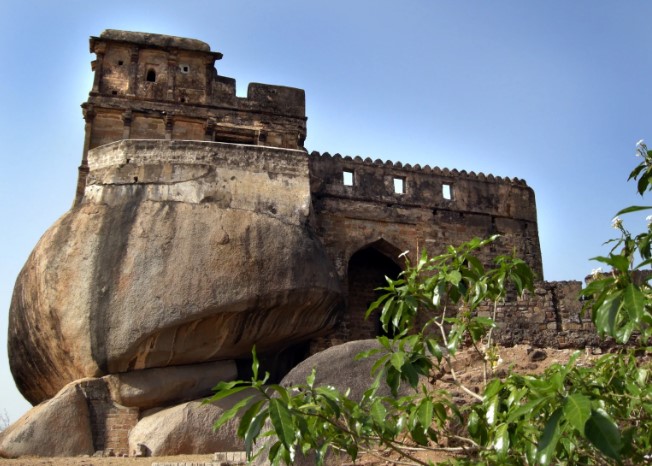
Born on October 5, 1524, at the historic Kalinjar Fort in present-day Uttar Pradesh, Rani Durgavati belonged to the renowned Chandel dynasty. The Chandels were known for their military valour and patronage of art and architecture, including the world-famous Khajuraho temples. Her father, Raja Keerat Rai, ensured that she received training in warfare, horse riding and administration from an early age.
In 1542, she married Dalpat Shah, the eldest son of Gond ruler Sangram Shah of Garha-Katanga. The marriage strengthened ties between the Chandel and Gond kingdoms and brought together two powerful traditions of central India. Their son, Vir Narayan, was born in 1545. The course of her life changed after Dalpat Shah's death around 1550. With her son still a child, Rani Durgavati assumed charge of the kingdom and emerged as a capable administrator. Assisted by trusted ministers Adhar Kayastha and Man Thakur, she governed effectively and shifted her capital to the strategically located Chauragarh Fort in the Satpura region.
Historical accounts describe her reign as a period of stability and prosperity. She promoted agriculture, encouraged the construction of lakes and water bodies, supported scholars and religious leaders, and worked for the welfare of her subjects. Her administration reflected a spirit of inclusiveness. She welcomed scholars from different traditions and appointed capable individuals from diverse communities to important positions.
Her military abilities were tested repeatedly. One of the most notable episodes came when Malwa ruler Baz Bahadur attacked her kingdom. Rani Durgavati's forces repelled the invasion, earning her widespread recognition as a warrior ruler capable of defending her territory against powerful adversaries.
The defining chapter of her life unfolded in 1564. By then, Mughal expansion under Emperor Akbar had reached central India. Asaf Khan, the Mughal governor of Kara-Manikpur, advanced towards the prosperous Gond kingdom after obtaining imperial approval. Despite warnings about the strength of the Mughal army, Rani Durgavati refused to surrender.
Determined to defend her land, she chose the rugged Narrai valley near present-day Jabalpur as the battlefield. Surrounded by hills and protected by the Narmada and Gaur rivers, the location offered a natural defensive advantage. In the first phase of the battle, her forces inflicted significant losses on the Mughal army and forced it to retreat.
However, the conflict resumed with greater intensity the following day after Mughal reinforcements and artillery arrived. Riding her elephant Sarman, the queen personally led her troops into battle. Her son Vir Narayan also fought bravely and was wounded while resisting repeated attacks.
During the fierce fighting, Rani Durgavati suffered serious injuries from arrows. Realising that defeat was imminent and unwilling to be captured, she chose death over surrender. On June 24, 1564, she took her own life with a dagger on the battlefield, creating one of the most enduring stories of courage in Indian history.

Her sacrifice transformed her from a regional ruler into a symbol of resistance, self-respect and patriotism. Historians often regard her stand against a much
larger imperial force as one of the earliest examples of a woman ruler defending her kingdom with extraordinary determination.
Even today, her legacy remains deeply embedded in the public memory of central India. Her name lives on through memorials, educational institutions and public landmarks. In 1983, the Government of Madhya Pradesh renamed Jabalpur University as Rani Durgavati Vishwavidyalaya in her honour. The Government of India also issued a commemorative postal stamp on June 24, 1988, recognising her contribution to the nation's history.
Across the Mahakoshal and Gondwana regions, her story continues to be remembered through folklore, songs and community traditions. As Madhya Pradesh and Chhattisgarh once again observed her Balidan Diwas, tributes reflected not only respect for a historical figure but also admiration for ideals of courage, leadership and sacrifice that continue to resonate with people generations later.