Chief Minister Vishnu Deo Sai visited Ramgarh to mark the close of Ramgarh Mahotsav-2026, highlighting the ancient theatres and murals of Chhattisgarh.
Bhopal/ Raipur, June 30, 2026
Long before Shakespeare's Globe or Greece's open-air amphitheaters became symbols of theatre, the hills of Chhattisgarh are believed to have housed one of the world's earliest natural performance spaces. That forgotten chapter of India's cultural history came back into focus on Tuesday as Chief Minister Vishnu Deo Sai visited the ancient Sitabengra and Jogimara caves at Ramgarh during the closing ceremony of Ramgarh Mahotsav-2026.
The Chief Minister attended the closing ceremony of the two-day Ramgarh Mahotsav-2026 at Ramgarh in Udaipur development block, a key destination on the state's Ram Van Gaman Tourism Circuit. During his visit, he explored the historic Sitabengra Cave, widely regarded by historians as one of the world's oldest natural theatre spaces. He also inspected the ancient inscriptions and murals inside Jogimara Cave and visited the naturally formed Hathipol rock tunnel, another geological attraction of the region. Agriculture Minister Ramvichar Netam, Tourism and Culture Minister Rajesh Agrawal and other public representatives accompanied him.
Describing Ramgarh as a living symbol of Surguja's ancient cultural consciousness, Sai said the site reflects thousands of years of artistic tradition, faith and historical legacy. He noted that Chhattisgarh's identity extends far beyond its forests and mineral wealth, with its archaeological and cultural heritage offering equal significance on the global stage. Preserving such heritage, is a collective responsibility as it represents an invaluable legacy for future generations.
The Chief Minister said the state government is working to conserve and promote heritage sites like Ramgarh while developing them as sustainable tourism destinations. Besides introducing visitors to Chhattisgarh's rich cultural traditions, such efforts are expected to generate new livelihood opportunities for local communities through tourism and related activities.
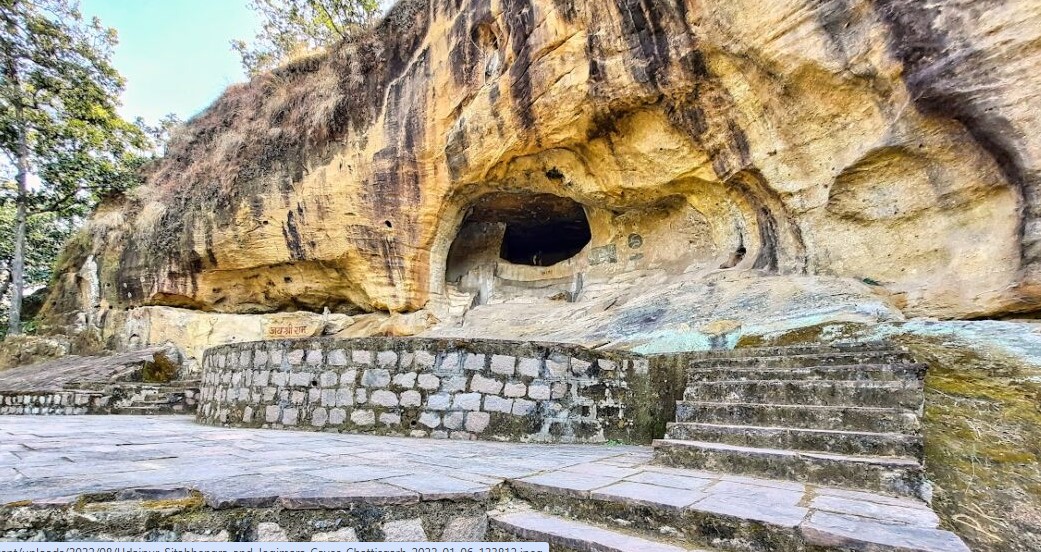
Ramgarh occupies a special place in India's cultural history. Located on the western slope of the Ramgarh hills, the Sitabengra and Jogimara caves are regarded as important monuments of ancient architecture, inscriptions and early Indian art. The natural auditorium inside the nearly 44-foot-long Sitabengra Cave has long attracted scholars who see it as one of the earliest examples of a performance space carved by nature itself.
The region is also closely associated with classical Sanskrit literature. According to longstanding tradition, the celebrated poet Kalidasa is believed to have composed parts of his masterpiece Meghadutam in these hills, beginning with its famous opening words, "Ashadhasya Pratham Divase" ("On the first day of Ashadha"). To preserve this literary and cultural memory, the Ramgarh Mahotsav is organised every year on the first day of the Hindu month of Ashadha.
Equally significant is the Jogimara Cave, known for its murals dating back to the third-second century BCE and ancient inscriptions that offer valuable insights into early Indian art and society. Together, the two caves have earned recognition among historians as priceless windows into India's cultural past.
Adding to Ramgarh's appeal is Hathipol, a naturally formed rock tunnel stretching nearly 180 feet in length and rising 15 to 20 feet in height. Believed to have been shaped over centuries by flowing water, the tunnel serves as a dramatic gateway to the cave complex, enhancing the area's natural charm and historical aura.
For centuries, Ramgarh has quietly preserved stories carved in stone, painted on cave walls and passed down through local tradition. Today, as the state steps up efforts to conserve and promote the site, the ancient hill complex is finding a new place on India's cultural tourism map, inviting visitors to discover a heritage that has endured long after the voices of its earliest artists and storytellers faded into history.