Skyroot Aerospace's Vikram-1, India's first private orbital launch vehicle, successfully reached orbit, marking a significant advancement in India's space capabilities.
New Delhi/ Bhopal July 18, 2026
India on Saturday achieved a major milestone in its space programme as Skyroot Aerospace successfully launched Vikram-1, the country's first privately developed orbital launch vehicle, from the Satish Dhawan Space Centre in Sriharikota. The successful mission marks a new chapter for India's commercial space sector and highlights the growing role of private enterprise in space technology.
According to agency reports, the four-stage Vikram-1 rocket successfully placed multiple payloads into a 450-km low-Earth orbit shortly after lift-off. Developed by Hyderabad-based Skyroot Aerospace, it is the first Indian private rocket to complete an orbital mission successfully. The launch places India among a select group of nations with operational private orbital launch capabilities.
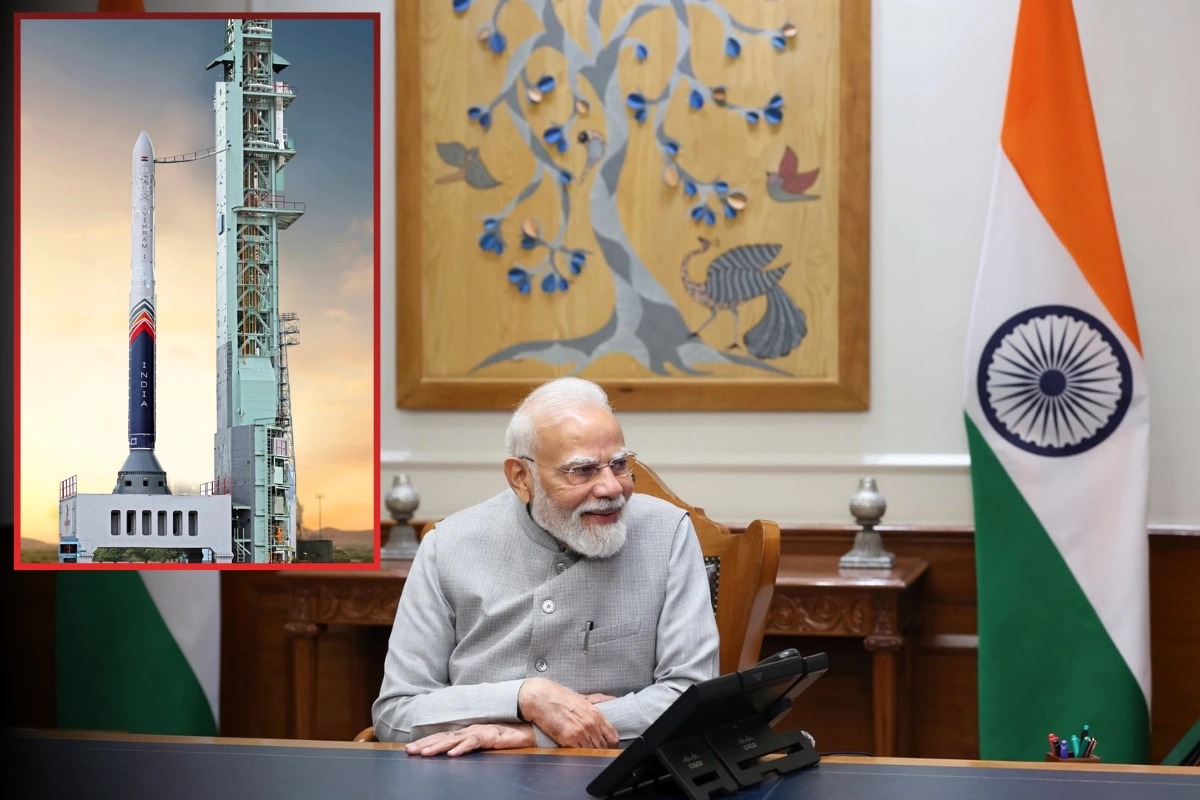
Ahead of the launch, Prime Minister Narendra Modi described the mission as "a historic new frontier for India's space journey" in a post on X. He said Vikram-1 reflects the "talent, determination and entrepreneurial spirit" of India's youth and demonstrates how reforms in the space sector are creating new opportunities for innovation. Wishing the Skyroot team success, he said, "May Vikram-1 soar high, create history and inspire a generation of innovators." After the successful launch, the Prime Minister congratulated the Skyroot team and described the mission as another milestone in India's expanding private space ecosystem." He also urged citizens, particularly young people, to follow the landmark mission.
The launch is widely seen as the outcome of the Centre's decision in 2020 to open the space sector to private participation. Since then, the government has introduced a new space policy, liberalised foreign investment norms and established the Indian National Space Promotion and Authorisation Centre (IN-SPACe) to promote and regulate private space activities.
Speaking after the mission, IN-SPACe Chairman Dr Pawan Kumar Goenka said the success of Vikram-1 was the result of policy reforms, institutional support and years of careful preparation. He said Skyroot worked closely with IN-SPACe and ISRO for several months to ensure every technical aspect of the mission was thoroughly reviewed before launch.
Dr Goenka said the mission offers an important lesson for India's growing private space industry. "Space is not a game of impatience; it is a game of patience," he said. He noted that the technical reviews carried out for Vikram-1 were as rigorous as, and in some areas even more stringent than, those followed for ISRO missions. He said the success would encourage more Indian companies as well as global investors to look at India as a serious destination for space-related activities.
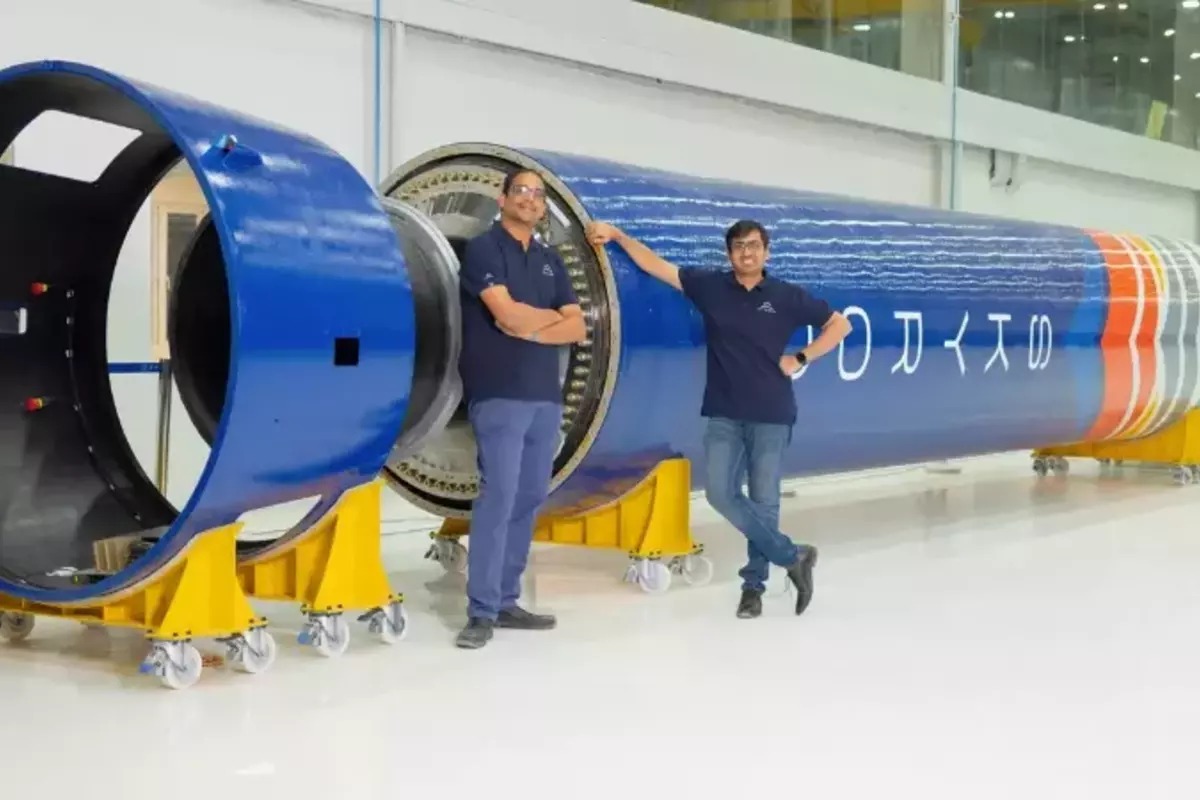
Vikram-1 has been designed as a small satellite launch vehicle capable of providing quick and cost-effective access to space. Built with lightweight composite materials and advanced propulsion systems, it is intended to meet the growing demand for launching communication, Earth observation and scientific satellites into low-Earth orbit.
Unlike conventional launch vehicles developed entirely by government agencies, Vikram-1 represents the emergence of India's private space ecosystem. It also demonstrates how collaboration between startups, ISRO and IN-SPACe is helping accelerate innovation while creating new opportunities for technology development, manufacturing and high-skilled employment.
The success of Mission Aagaman is expected to strengthen India's ambition of becoming a major player in the global commercial space market. More importantly, it demonstrates how collaboration between government institutions and private enterprise is opening a new chapter in the country's space programme, with innovation increasingly being driven not only by ISRO but also by a new generation of Indian space startups.