Bhopal May 24, 2026
Barely two days after Madhya Pradesh celebrated its growing wildlife success on International Biodiversity Day, a tragic incident inside the buffer zone of Bandhavgarh Tiger Reserve has once again raised difficult questions over human-wildlife conflict management and emergency response systems inside forest areas. A tiger, suspected to have turned violent after attacking villagers, died during a rescue operation at Kherwa Tola village in the Panpatha area of the reserve. Initial reports suggest the animal may have suffered complications following the administration of tranquiliser by the forest team while trying to control the tense situation. Forest officials, however, maintained that the exact cause of death would become clear only after the post-mortem examination. According to local accounts, panic spread across the village after the tiger suddenly attacked residents. A woman reportedly lost her life in the incident while four others sustained injuries. Fear intensified when the tiger entered a hut inside the buffer zone and took shelter there. Family members rushed out in panic as villagers gathered outside and alerted forest authorities. Officials reaching the spot reportedly faced an extremely sensitive situation. The tiger was believed to be aggressive after the attack and there were fears it could harm more people if it escaped deeper into the settlement. Sources said the rescue team decided to tranquillise the animal before shifting it to safety. However, moments after the dart was fired, the tiger reportedly collapsed and later died.
The incident has triggered concern among wildlife experts because tranquillising a fully grown tiger is considered one of the most delicate operations in wildlife rescue management. Experts say the dosage depends on several critical factors including the animal’s age, weight, stress level and physical condition. Once sedated, continuous monitoring becomes crucial because even minor complications can affect breathing and heart function. Wildlife experts also point out that administering the antidote is equally sensitive. It requires precise timing and careful handling to safely revive the animal without triggering further distress or medical complications. Even slight miscalculations can prove fatal.
Principal Chief Conservator of Forests (Wildlife) Dr. Sameeta Rajora said a post-mortem examination was being conducted and a detailed report had been sought. She maintained that it would be too early to draw conclusions before medical findings arrive. However, she described the incident as tragic.
Chief Minister Mohan Yadav expressed grief over the woman’s death and announced ex-gratia assistance of Rs 25 lakh for the deceased’s family. He also announced compensation for the injured along with free medical treatment. The development comes at a sensitive time for Madhya Pradesh. The state recently projected itself not only as the “Tiger State” but also as an emerging “Wildlife State” following major conservation successes involving cheetahs, vultures, gharials and other species. On International Biodiversity Day, officials had highlighted the expanding cheetah population and improving wildlife landscape across the state. However, the latest incident has once again exposed the growing pressure on frontline forest staff working in conflict-prone zones where expanding wildlife populations increasingly overlap with human settlements. Experts believe such encounters may rise further as tiger territories expand beyond core forest areas into nearby villages and agricultural belts.
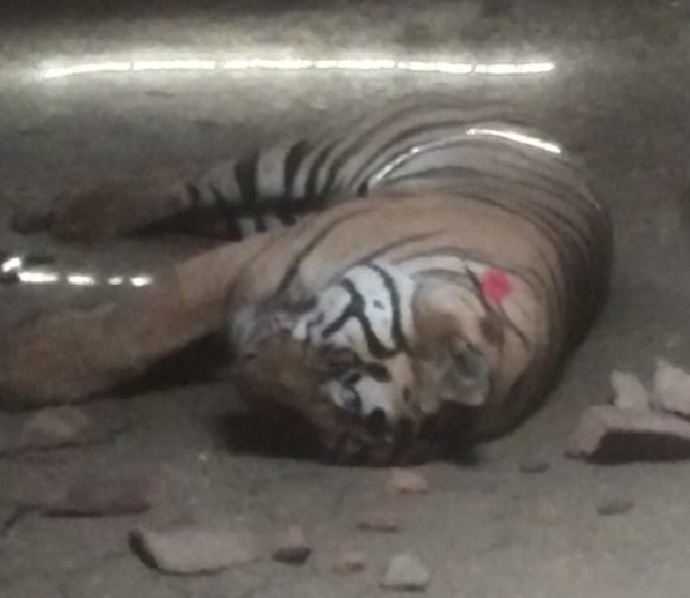
The tiger’s death is now likely to trigger a wider debate over rapid response systems, tranquilisation protocols and preparedness of frontline rescue teams handling high-risk wildlife emergencies in Madhya Pradesh. Till the filing of this report, forest officials had not released any further details regarding the incident.
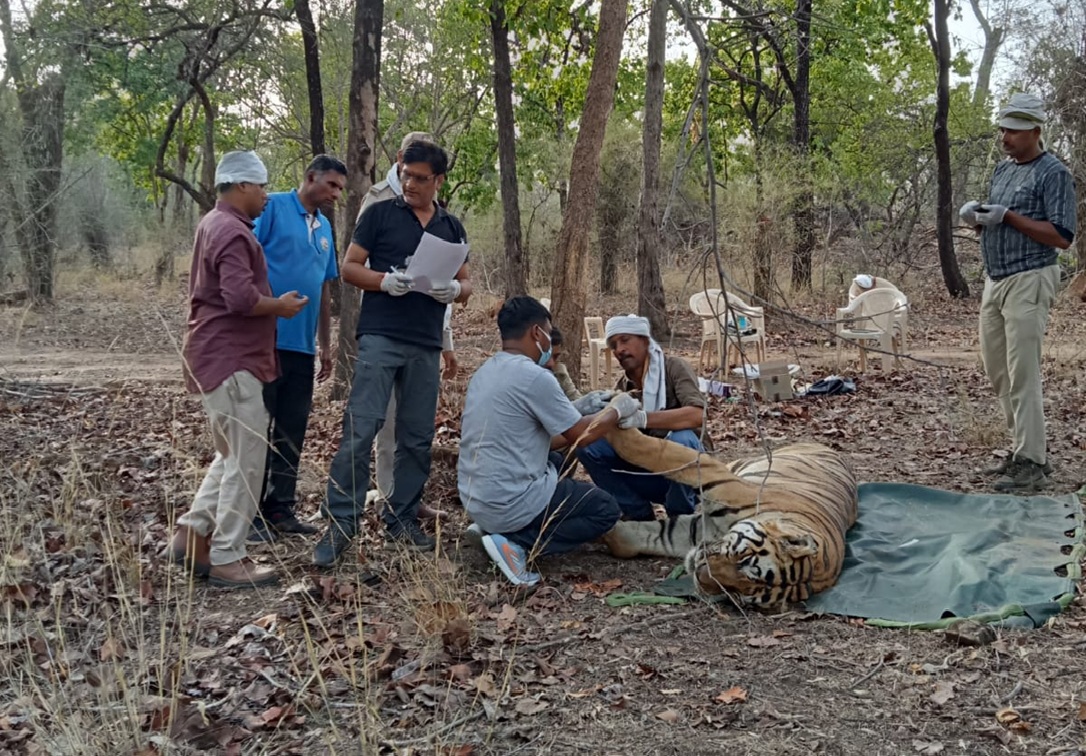 post martem image